Christmas Shadow Box SVG Bundle: A Designer's Review
As a designer who spends more time staring at stitch maps than most people spend watching television, I approach new design assets with a healthy dose of skepticism. We have all been there: you buy a file based on a pretty thumbnail, load it onto your machine, and realize halfway through that the density is wrong or the details are too tiny for the intended fabric. That is why I took a close look at the Christmas Shadow Box SVG Bundle before committing it to any client work or personal embroidery project. This isn't just a quick glance; this is an evaluation of how these files hold up when translated from a digital screen to a tangible, stitched reality.
First Impressions: Mood and Visual Personality
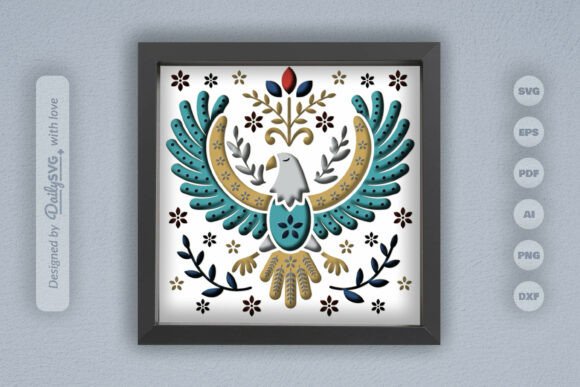
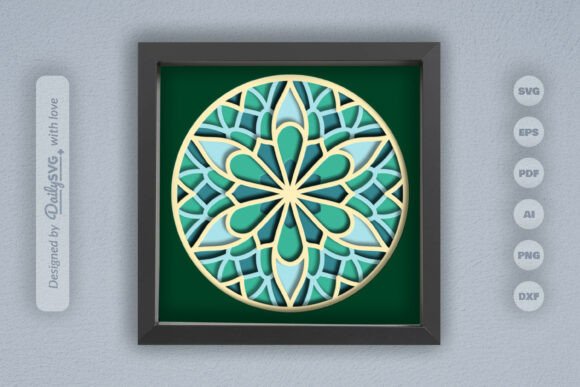
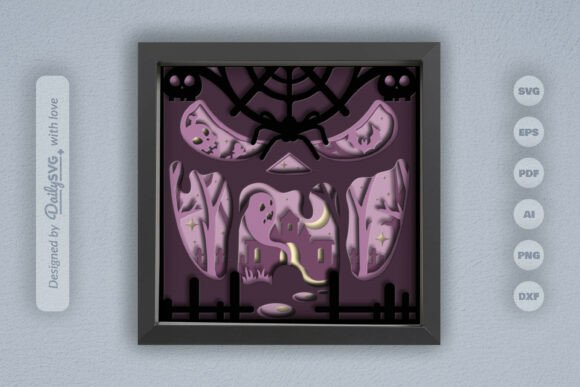
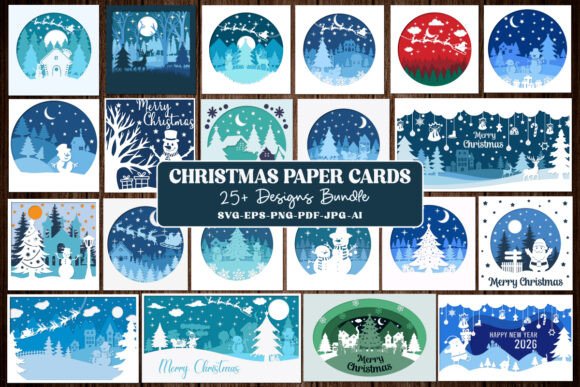
The first thing that strikes me about this collection is its inherent depth. While the product title mentions Shadow Boxes and 3D SVG formats—terms usually reserved for paper crafters and Cricut enthusiasts—the visual language here translates surprisingly well to thread. The designs possess a layered aesthetic that mimics the look of cut-paper silhouettes. For an embroidery designer, this suggests a need for careful color blocking and potentially varied stitch types to achieve that dimensional feel without actually building a physical box.
The mood is undeniably festive but refined. These aren't the cartoonish, overly saturated graphics you see on cheap novelty socks. Instead, they offer a sophisticated, boutique vibe perfect for high-end holiday embroidery. The layout of the 27 unique designs feels intentional, offering a mix of scenic elements, typography, and iconic holiday symbols. Visually, they scream "handmade luxury," which is exactly the kind of personality you want when creating a personalized gift or a product for a small shop.
Real-World Application: From Screen to Stitch
To truly test the viability of the Christmas Shadow Box SVG Bundle, I imagined a specific real-life scenario. Picture a local boutique owner who wants to launch a limited-run line of holiday tote bags and oversized sweatshirts. They need something that looks custom but can be produced efficiently. This is where the versatility of these designs shines.
If we take one of the scenic layering designs from the bundle and adapt it for a tote bag design, the result could be stunning. The key here is translation. Since these are originally paper card concepts, using them as a machine embroidery design requires thinking in terms of satin stitch borders and solid fill stitch areas to replicate the crisp edges of cut paper. On a canvas tote, the texture of the fabric combined with dense stitching would create a beautiful relief effect, making the finished product feel substantial and valuable.
For sweatshirt embroidery, the approach shifts slightly. A fleece or French terry background adds softness, so the design needs to breathe. I could see using the simpler, bold shapes from the bundle as an applique design. By cutting fabric shapes that match the SVG layers and stitching them down, you preserve the "shadow box" illusion of depth while keeping the garment comfortable to wear. This method works exceptionally well for custom apparel where stiffness is a concern.
Navigating Technical Challenges
However, enthusiasm must be tempered with technical realism. Using a bundle labeled as 3D SVG for embroidery comes with caveats. These files were likely optimized for cutting machines, not needle and thread. Before loading this onto your hoop, you must consider the stitch density. If you attempt to fill every intricate nook of a complex shadow box layer with satin stitches on a stretchy fabric, you risk puckering and distortion.
There are specific scenarios where you need to proceed with caution. If you are working with a small hoop size, some of the wider panoramic scenes in the bundle might need to be split or simplified. Textured fabrics like waffle knits or heavy linens can obscure fine details, so the smaller elements of the design might get lost. Similarly, if you are embroidering on dark fabric, you need to ensure your thread colors provide enough contrast; otherwise, the subtle layering effect that defines the shadow box style will vanish into the background.
Curved surfaces present another hurdle. Applying these detailed, multi-layered concepts to a cap or a structured hat requires serious skill. The curvature can distort the perspective of the "shadow" layers, making the image look warped. In such cases, I would recommend isolating the central focal point of the design rather than attempting the full scene. Furthermore, for items that require frequent washing, like kitchen towels or baby clothes, dense stitching in tight corners can lead to thread breakage over time. A running stitch outline might be a more durable alternative to a thick satin border for certain elements.
Elevating Brand Value and Customer Trust
Why does any of this matter? Because the quality of your embroidery file directly impacts your brand consistency and customer trust. When an Etsy seller or a craft business owner releases a new line, the perceived value of the item is often judged by the clarity and professionalism of the decoration. A muddy, poorly adapted design tells the customer you cut corners. Conversely, a well-executed adaptation of the Christmas Shadow Box SVG Bundle signals attention to detail.
Using these designs effectively can enhance the "giftability" of your products. A pillow cover featuring a crisp, layered winter scene feels like a heirloom piece. It encourages buyer engagement because it looks unique compared to mass-produced goods. For those selling printable mockups or digital previews, these assets provide a strong foundation for marketing materials, helping potential clients visualize the end result before they even place an order.
Practical Notes for the Professional Embroiderer
Before you commit to a production run, here is my professional advice for working with this specific bundle:
- Digitize or Adjust: Remember that these are SVGs intended for cutting. You may need to digitize them into a proper embroidery file format (like PES or DST) using your software to control stitch direction and underlay.
- Test on Scraps: Always stitch out a sample on the exact fabric you plan to use. Check how the stabilizer interacts with the fabric weight.
- Check Licensing: The description mentions commercial use for finished items, but always verify if you can resell the digital files themselves or only the physical handmade product.
- Simplify for Small Details: If a corner is too sharp or a line too thin for your machine's minimum stitch width, simplify the vector path before stitching.
- Contrast is Key: Test your design in black and white mockups first. If the layers don't separate visually without color, the embroidery won't work either.
- Hoop Stability: Ensure your hoop size accommodates the largest design without needing to re-hoop, which can cause alignment issues in multi-layer projects.
In conclusion, the Christmas Shadow Box SVG Bundle offers a treasure trove of inspiration for the creative entrepreneur willing to put in the preparatory work. It bridges the gap between paper crafting aesthetics and textile art. While it requires a thoughtful approach to adaptation—respecting the limitations of thread and fabric—the potential for creating standout small shop products is immense. Whether you are making a single embroidered patch for a friend or stocking inventory for a holiday market, these designs provide a solid, stylish foundation for your next great creation.