Review: Layered Valentines Day Card SVG for Embroidery
As a designer who spends more time staring at stitch simulations than I do sleeping, I approach every new digital embroidery file with a healthy dose of skepticism. We've all been there: you download a cute graphic, load it into your software, and realize the lines are too close together for a satin stitch or the details will vanish on a textured towel. That's why I took a close look at the Layered Valentines Day Card SVG. While this asset is marketed primarily as a 3D SVG for paper crafting and Greeting Cards, my brain immediately started translating those vector layers into thread paths. Could this layered "I Love You" concept translate from a papercut silhouette to a high-quality machine embroidery design? After running some mental simulations and reviewing the geometry, here is my practical take on using this design for real-world projects.
First Impressions: Mood and Visual Personality
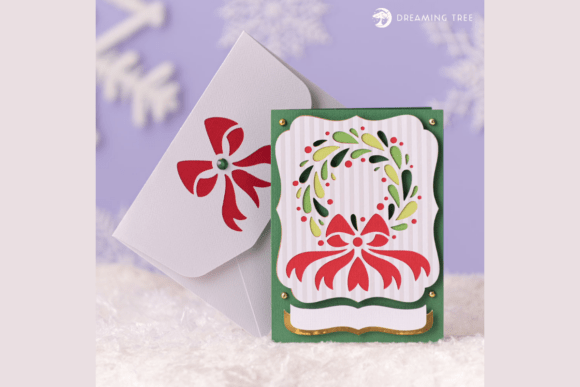
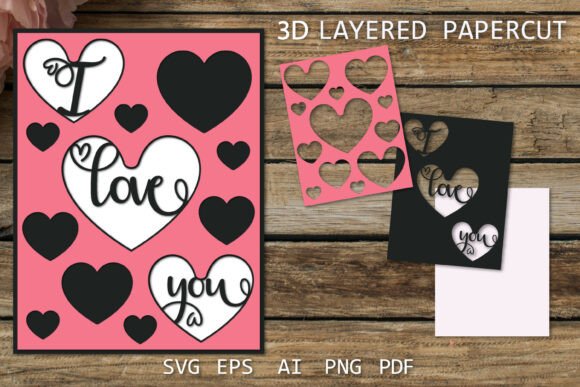
The first thing that strikes me about the Layered Valentines Day Card SVG is its inherent depth. In the world of paper crafting, "layered" means stacking cardstock to create shadows and dimension. In embroidery, this translates beautifully to multi-color designs or complex applique design workflows. The layout suggests a romantic, soft mood, perfect for Valentine's Day but versatile enough for anniversaries or even a sweet birthday surprise. The shapes appear clean and deliberate, which is crucial. When you are dealing with love-themed graphics, sloppy curves kill the vibe instantly. This design seems to maintain a crisp visual personality that would look professional whether stitched in bold reds on a white tote or subtle pastels on a baby onesie.
For an Etsy seller or craft business owner, the visual appeal is half the battle. Customers scrolling through a feed need to stop and look. The layered nature of this SVG offers a unique opportunity to create a finished product that stands out from the flat, single-color hearts flooding the market. It feels like a design that says "thoughtful" rather than "last minute."
Real-World Application: From Vector to Thread
Let's get into the nitty-gritty of how this fits into an actual embroidery project. I recently had a client request a custom gift set for a couple celebrating their first Valentine's Day together. They wanted something cohesive but not cheesy. This is where the Layered Valentines Day Card SVG shines. By treating the different layers of the SVG as separate color stops in your digitizing software, you can create a stunning sweatshirt embroidery piece.
Imagine stitching this onto a heather grey hoodie. You could use a dark charcoal for the base layer, a mid-tone grey for the middle, and a vibrant crimson for the top "I Love You" text. This mimics the shadow effect of the original paper concept but adds the tactile luxury of thread. Alternatively, for a tote bag design, you could use this as a foundation for an appliqué. Cut fabric scraps in varying shades of pink and red, adhere them following the SVG layers, and then stitch over them with a neat satin stitch border. This technique adds incredible texture and durability, making the handmade product feel high-end.
It also works exceptionally well for baby embroidery. A layered heart motif on a bib or a nursery pillow cover adds a gentle sophistication. Because the design relies on shape and layering rather than intricate internal detailing, it holds up well even when scaled down slightly for smaller items like socks or hat brims.
Technical Considerations and Fabric Compatibility
However, no design is without its challenges. Before you commit to stitching the Layered Valentines Day Card SVG on a client's expensive garment, you need to consider the substrate. The original description highlights its use as a sign or card, meaning the lines might be optimized for cutting blades, not needles. If you are working with a textured fabric like a waffle knit towel or a looped terrycloth, fine details can get lost. In these cases, I recommend increasing the pull compensation and perhaps simplifying the smallest inner layers.
Stitch density is another critical factor. If the layers are tightly packed, you risk creating a dense block of thread that causes puckering, especially on stretchy fabrics like jersey knits used in t-shirts. Always test the design on scrap fabric first. Check if the transition between layers requires a jump stitch or a trim. For a clean look on a custom apparel item, you want to minimize jumps. If the design creates a large solid area, consider breaking it up with a lighter fill stitch pattern rather than a solid block to reduce weight and stiffness.
Curved surfaces, like caps, present another hurdle. The layered effect might distort if the hoop tension isn't perfect. For a cap, I would suggest using a stiffer stabilizer and perhaps reducing the number of layers to ensure the design lays flat against the curved crown. Also, be mindful of thread colors. On dark fabrics, ensure your underlay is sufficient so the base fabric doesn't peek through the lighter top layers of the design.
Enhancing Brand Value and Customer Trust
Why go through the trouble of adapting a paper SVG for embroidery? Because it elevates your brand. When a customer receives a personalized gift featuring a unique, multi-dimensional design, it signals professionalism. It shows that you aren't just slapping a stock image on a shirt; you are curating design assets to create something special. This builds customer trust and encourages repeat business.
For those selling printable mockups or digital previews, this design offers great versatility. You can showcase the same graphic as a physical card and an embroidered patch, demonstrating the breadth of your creative capabilities. It helps in creating a cohesive brand story across different product lines, from home decor to wearable art.
Practical Designer Notes for Success
To get the best results with the Layered Valentines Day Card SVG, keep these practical tips in mind:
- Check the License: Since this is often sold as a craft cut file, verify the licensing terms before using it for commercial embroidery. Some creators allow personal use only, while others permit unlimited physical sales.
- Digitize with Care: Don't just import and stitch. Review the node points. Smooth out any jagged edges that might have been acceptable for a die-cut but look terrible in thread.
- Contrast is Key: Test the design in black and white mockups first. If the layers blend together without color, the design lacks definition. Ensure there is enough contrast between the layers to make the "3D" effect pop.
- Hoop Size Matters: Confirm the dimensions fit your available hoop sizes. If the design is large, you may need to split it or use a larger frame, which affects registration.
- Wash Testing: If you plan to sell these as holiday embroidery gifts or everyday wear, wash the test sample. Dense layers can crack or peel if not properly secured with the right stabilizer and stitch type.
In conclusion, the Layered Valentines Day Card SVG is a versatile gem for the resourceful embroiderer. While it originates in the world of paper crafts, its clean lines and layered logic make it a strong candidate for personalized gifts, boutique merchandise, and custom decor. With careful digitizing and an eye for fabric compatibility, you can transform this simple vector into a stunning textile masterpiece that resonates with customers and stands the test of time.