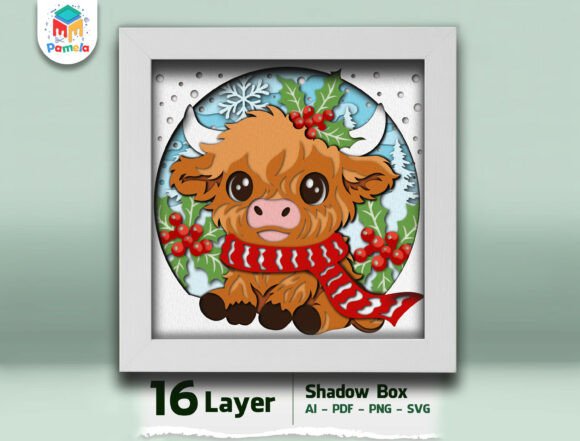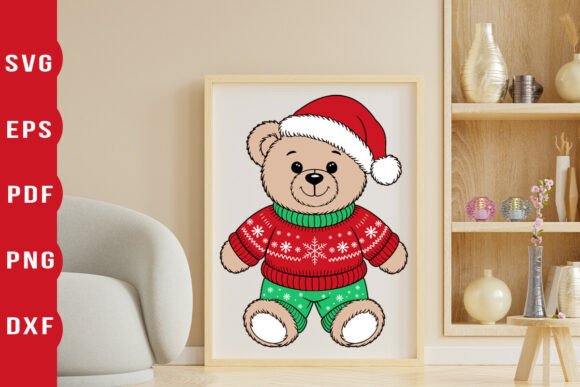
Christmas Teddy Bear Laser Cut for Winter Christmas
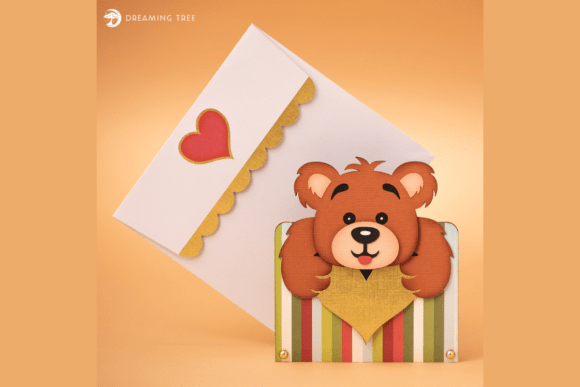
As a brand designer who has spent the last decade refining visual identities for local bakeries, boutique skincare lines, and handmade gift shops, I approach every new graphic design asset with a critical eye. It is not enough for an illustration to be cute; it must serve a strategic purpose within a broader brand identity. Recently, I evaluated the Christmas Teddy Bear Layered Paper Cut for a potential seasonal campaign, and my initial impression was one of immediate warmth and tactile appeal. This asset does not merely depict a holiday symbol; it evokes the specific mood of a cozy, artisanal winter experience. The layered aesthetic suggests depth and craftsmanship, making it an ideal fit for businesses that want to communicate a "handmade" or "small-batch" personality rather than a mass-produced corporate feel.
The design leans heavily into a friendly, festive, and slightly rustic vibe. For a local business owner, perhaps running a children's clothing boutique or a gourmet cookie shop, this asset signals approachability and nostalgia. It feels premium in its complexity but remains soft and inviting, avoiding the cold sterility often found in modern minimalist designs. When considering small business branding, establishing this emotional connection is vital. Customers are more likely to trust a brand that feels personal, and this illustration delivers that sentiment effectively.
Strategic Applications for Local Business Packaging
The true value of the Christmas Teddy Bear Layered Paper Cut lies in its versatility across various physical and digital touchpoints. In a real-world scenario, imagine a local candle maker launching a limited-edition "Winter Night" scent. This asset could be the hero graphic on their product label, instantly communicating the seasonal nature of the item without needing excessive text. Because the design mimics paper cutting, it pairs exceptionally well with textured kraft paper or matte finishes, enhancing the perception of quality.
Beyond labels, this design asset shines in packaging design accents. It can be die-cut into hang tags attached to gift baskets, printed on thank-you cards included in shipment boxes, or used as a decorative seal on wrapping paper. For food businesses, such as a macroon seller or a coffee roaster, the bear can adorn menu graphics or price lists during the holiday season, creating a cohesive visual theme throughout the customer journey. Even for service-based local businesses, like a family photographer or a florist, this illustration works beautifully on social media graphics and website banners to announce holiday availability or special packages.
When utilized correctly, the asset supports stronger product recognition. If a customer sees that specific layered bear on an Instagram ad, then again on the physical box they receive, it reinforces visual hierarchy and brand consistency. This repetition builds trust and makes the unboxing experience feel polished and professional. It transforms a standard transaction into a memorable brand interaction, which is crucial for retaining customers in the competitive creative marketplace.
Navigating Design Constraints and Best Practices
However, no design element is universally applicable, and experienced designers know where to draw the line. While the Christmas Teddy Bear Layered Paper Cut is charming, it requires careful placement. It should generally be avoided in formal corporate branding contexts where seriousness is paramount, or on very small labels where the intricate layers might blur during printing. If your product label is already crowded with ingredient lists, legal disclaimers, or barcodes, adding this detailed illustration could create visual clutter, distracting from essential information.
Furthermore, this asset may not suit luxury minimalist brands that rely on vast negative space and ultra-thin typography. In those cases, the decorative nature of the bear might compete with the desired sleek aesthetic. It is also important to test the asset against low-contrast backgrounds; the subtle shadows inherent in a "layered paper" look can get lost if placed on a busy pattern or a color that is too similar to the cut lines. Always ensure there is enough breathing room around the illustration to let its details shine.
Practical Notes for Professional Implementation
Before integrating this asset into a client project or your own handmade business inventory, several practical steps are necessary to ensure professional results. First, always test the design on real product mockup files. Viewing the bear on a flat screen is different from seeing how it interacts with the curvature of a jar or the fold of a box. Check how the design renders in black and white, as many small businesses print shipping labels or receipts in monochrome; the layers should still be distinguishable without color.
Typography pairing is another critical consideration. This illustration pairs wonderfully with serif fonts that evoke tradition, handwritten fonts that emphasize the human touch, or rounded sans-serif fonts that match its playful energy. Avoid overly rigid or industrial display fonts that might clash with the soft, organic feel of the paper cut style. Additionally, verify the file formats provided. For Laser Cutting applications or precise vinyl cutting, you will need clean vector paths (SVG or AI). For web design and social media graphics, high-resolution PNGs with transparent backgrounds are essential to maintain crisp edges.
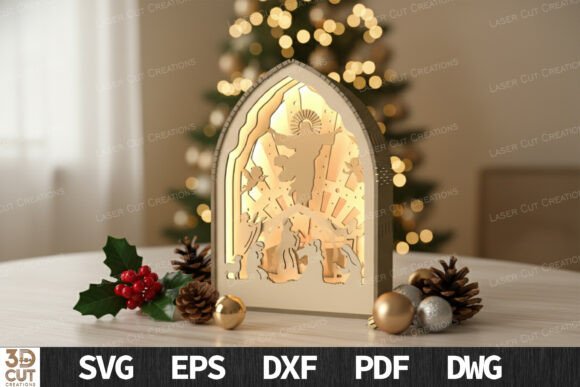
Finally, never overlook the licensing terms. Ensure you have a valid commercial license if you intend to use this digital product for physical goods you plan to sell or for client work. Using assets without proper clearance can lead to significant legal issues for a local business. By respecting these guidelines and thoughtfully applying the Christmas Teddy Bear Layered Paper Cut, designers and entrepreneurs can create marketing visuals that not only celebrate the season but also elevate the perceived value of their brand. Whether crafting beautiful light boxes for a store display or designing unique Christmas gifts for loyal customers, this asset offers a powerful way to connect with audiences through the universal language of holiday warmth.