Bunting - Baby Blue Denim and Cut Files Review
As a designer who spends more time staring at stitch maps than most people spend on their phones, I approach every new digital embroidery file with a mix of excitement and skepticism. We have all downloaded a "cute" design only to find the stitch density is so high it turns our fabric into cardboard, or the details are so tiny they vanish under a standard needle. That is why I was intrigued when I pulled up the Bunting - Baby Blue Denim and Cut Files. At first glance, this isn't just another generic banner; it feels like a deliberate nod to classic Americana mixed with modern nursery aesthetics. The mood is soft yet structured, evoking memories of backyard parties and gentle baby showers.
First Impressions: Texture and Tone
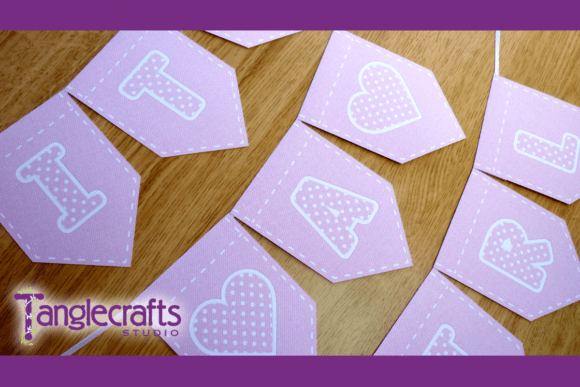
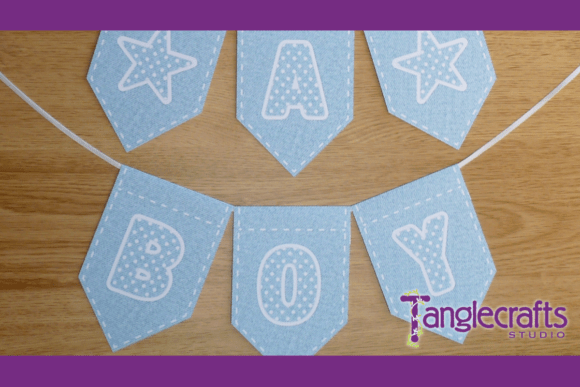
The immediate standout feature of this design is its visual personality. Even before loading it into my digitizing software or hoop, the concept of "baby blue denim" sets a specific tone. It suggests durability wrapped in softness. For an embroidery project, this duality is gold. You want something that looks handmade and cozy but holds up to the rigors of a handmade product meant for gifting or sale. The layout feels balanced, avoiding the cluttered look that often plagues bunting designs where too many flags compete for attention. Instead, this offers a clean, rhythmic flow that guides the eye naturally across the stitch field.
For those of us running a craft business or selling as an Etsy seller, the versatility here is apparent. This isn't limited to just one niche. While it fits perfectly into the Birthdays category, the denim texture gives it a unisex appeal that works beautifully for baby boys, rustic-themed events, or even Father's Day gifts if scaled appropriately. The inclusion of cut files alongside the embroidery assets means this is a true hybrid asset, allowing for mixed-media applications that can increase the perceived value of your finished product.
Real-World Application: The Custom Tote Scenario
To truly test the viability of the Bunting - Baby Blue Denim and Cut Files, I imagined a specific client request: a custom embroidered tote bag for a new mother's hospital stay. Tote bags are a staple for any small shop product line, but they present challenges regarding fabric stability and stitch clarity. Here is how this design shines in that scenario.
The denim aesthetic of the bunting pairs exceptionally well with natural canvas or heavy cotton twill, common materials for tote bags. When stitched as a machine embroidery design, the simulated denim texture adds a layer of sophistication that a flat color fill simply cannot achieve. It makes the bag look less like a blank canvas and more like a boutique item. If I were producing these for a client, I would likely pair the embroidery with the provided cut files to create a layered paper bunting attached to the handle, creating a cohesive 3D SVG experience that bridges digital crafting and thread art.
Furthermore, for sweatshirt embroidery or baby embroidery on onesies, the scale of the bunting flags seems adaptable. The design does not rely on microscopic details that would get lost on stretchy knits. Instead, it uses bold shapes and clear definitions, which is crucial when working with fabrics that shift under the needle. A customer receiving a sweatshirt with this design would likely appreciate the tactile quality of the stitches, perceiving the item as higher quality than a standard screen-printed graphic.
Technical Considerations and Fabric Pairing
While the design is promising, practical execution requires careful planning. One must always consider stitch density. Designs that mimic textures like denim can sometimes be overly dense, leading to puckering, especially on lighter fabrics. Before committing to a final custom apparel piece or a batch of holiday embroidery gifts, it is mandatory to test the design on scrap fabric identical to your final material.
- Fabric Texture: This design thrives on medium-to-heavy weight fabrics. On thin linen or silky materials, the weight of the thread required to create the denim look might cause distortion. Always use a high-quality stabilizer; for knits, a cut-away is non-negotiable to prevent the design from sagging over time.
- Thread Colors: The success of the "denim" effect relies heavily on your thread colors. Do not settle for a generic blue. Invest in variegated threads or blend two shades of blue to enhance the textured appearance. Contrast is key; ensure the stitching stands out against your background fabric without clashing.
- Hoop Size: Verify the dimensions against your available hoop size. Bunting designs often span horizontally. If you are working on a cap or a small pocket, you may need to resize the file. Be cautious when resizing; shrinking it too much can merge the individual flags, while enlarging it too much might expose gaps in the stitch coverage.
Commercial Viability and Brand Consistency
For commercial embroidery professionals, consistency is the backbone of brand trust. The Bunting - Baby Blue Denim and Cut Files offers a level of polish that supports professional branding. Whether you are creating an embroidered patch for a uniform or a decorative element for home decor like pillow covers, the design maintains its integrity. It avoids the "clipart" look that can cheapen a brand's image.
When listing items on marketplaces, the ability to offer a coordinated look is a massive sales driver. Imagine selling a set that includes a bib with the embroidered bunting and a matching party banner made from the cut files. This cross-category utility maximizes the return on your investment in design assets. It allows you to market a complete solution rather than a single item, increasing the average order value for your personalized gift shop.
Final Verdict for Designers
In the world of digital downloads, it is rare to find a file that balances aesthetic charm with technical robustness. The Bunting - Baby Blue Denim and Cut Files feels like a tool built by someone who understands the constraints and possibilities of real-world production. It is not just a pretty picture; it is a functional component for a wider range of projects, from tote bag design to nursery wall art.
However, remember that no file is magic. Your results depend on your machine maintenance, your choice of applique design techniques (if layering), and your material selection. Always check the licensing terms provided with the download to confirm you are cleared for commercial embroidery use, especially if you plan to sell the finished product or use the cut files in your own digital bundles. Test your running stitch outlines and satin stitch fills on a sample first. If the tension is right and the fabric is prepped correctly, this design has the potential to become a bestseller in your catalog, offering customers a touch of handmade warmth that feels both nostalgic and fresh.